What is BioOptimization Therapy and How Does it Work?

A patient holding on the hand pieces of a BioOptimization therapy device

TL;DR:

  • BioOptimization therapy uses gentle electromagnetic signals to help rebalance the body’s natural energy.
  • It’s non-invasive and supports relaxation, mental clarity, and overall vitality.
  • Benefits may include stress relief, better focus, improved energy, and support for chronic issues or sensitivities.
  • Sessions can last 45–60 minutes and are tailored to each person, pairing well with Pilates, spring-based resistance movement and hydraulic resistance wellness.
  • Safe for most when guided by a qualified practitioner with professional BioOptimization therapy training.


Life has a way of throwing our energy off balance. Long workdays, intense workouts, and everyday stress can leave you feeling drained, foggy, or just not quite yourself. That’s where curiosity about new wellness tools comes in.

If you’ve looked into BioOptimization, you may have asked yourself, “What is BioOptimization therapy?” It’s a unique approach that’s gaining attention among individuals seeking to feel more centered and energized, while preventing future chronic health issues.

Before we dive into exactly how it works, let’s take a closer look at why so many are adding it to their self-care routine, often alongside practices like Pilates, for a full mind-body reset.

The Science Behind BioOptimization Therapy

BioOptimization therapy works on the idea that every cell, tissue, and organ in your body gives off a unique electromagnetic frequency. In a balanced state, these frequencies work in harmony. Stress, toxins, pathogens, poor nutrition, or ongoing health issues can disturb that harmony.

BioOptimization therapy devices detect these subtle shifts by reading your body’s energetic “language.” Practitioners then use this information to create a plan tailored to your needs.

This non-invasive, cause-focused approach aims to restore balance rather than mask symptoms. Many people notice greater relaxation, mental clarity, and a stronger mind-body connection, making it a natural partner to a Pilates lifestyle.

How BioOptimization Therapy Works

A BioOptimization therapy machine is designed to pick up on your body’s natural energy patterns and respond to them. During a session, you’ll relax while connected to the device, which scans your electromagnetic signals to spot any frequencies that seem out of balance.

High frequencies can be linked to inflammation, while low frequencies might point to wear-and-tear or degenerative changes. These shifts can be influenced by things like stress, toxins, pathogens, emotional strain, or an unbalanced diet. Once the device detects them, it sends back gentle corrective frequencies to help guide your body toward its natural state of balance.

This process, known as harmonization, works with your body’s own ability to restore and recharge. Over time, it may improve energy flow, support cellular health, and boost overall vitality. Many people pair BioOptimization therapy with Pilates or Hydraulic resistance training practices to feel more centered, focused, and ready to take on the day.

Benefits of BioOptimization Therapy

BioOptimization therapy can bring a surprising range of benefits for both your body and mind. It’s about helping you feel more balanced, clear-headed, and ready to handle whatever the day brings.

Relaxation and Stress Relief

Many people find the sessions deeply calming. The therapy helps settle the nervous system and release stored-up tension, which can leave you feeling lighter and more at ease. It’s a great way to counter the effects of busy schedules or intense workouts.

Mental Clarity

When your body’s energy is more balanced, your mind often follows.BioOptimization therapy may help alleviate mental fog, allowing you to focus better, think more clearly, and feel more centered in your daily life.

Better Energy Flow

The therapy encourages a smoother flow of energy throughout your system. That can mean more get-up-and-go for your workouts, your workday, and everything in between.
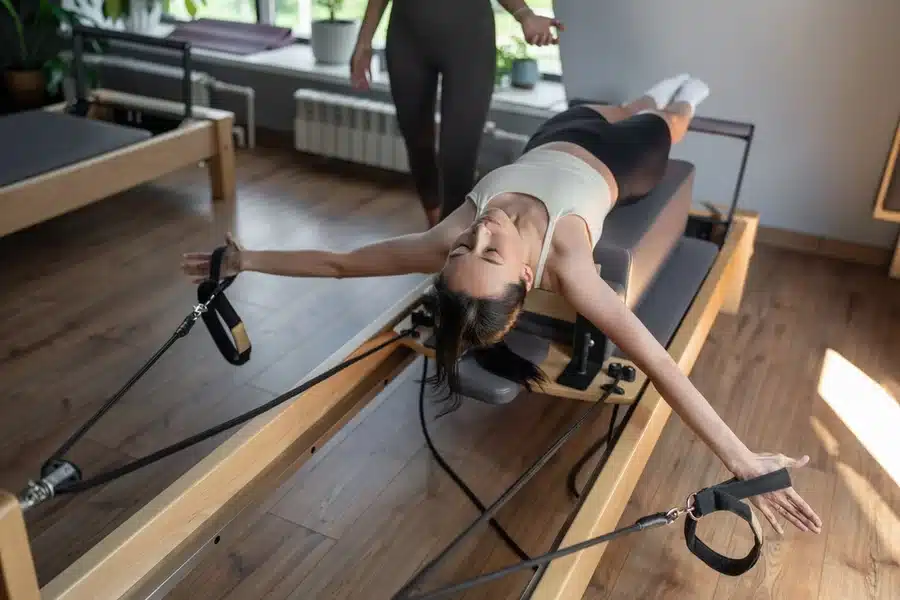
A woman doing Pilates stretching exercises

Support for Chronic Issues

Some people experience relief from long-standing challenges such as fatigue, migraines, digestive discomfort, or joint pain. While BioOptimization therapy isn’t meant to replace medical care, it can work alongside it to help you feel better.

Detox Support

By helping the body identify and release toxins, the therapy may lighten your internal load. A cleaner system can often mean improved mental clarity, better digestion, increased energy, and an overall fresher health and feeling.

Allergy and Sensitivity Management

For some, BioOptimization therapy helps reduce reactions to foods, environmental triggers, or chemicals. It works by supporting the body’s ability to respond more calmly to these stressors.

When done regularly, these benefits can build on each other to create a real shift in how you feel. If you practice Pilates, the two can complement each other beautifully by supporting both physical alignment and energetic balance.

Who Can Benefit?

Because BioOptimization therapy is gentle and tailored to each person, it can fit into many different wellness journeys. It’s often a good fit for:

  • People who want a natural way to manage stress and boost energy.
  • Those seeking additional support with ongoing health challenges.
  • Anyone dealing with allergies or sensitivities.
  • People interested in preventive, proactive wellness.
  • Pilates clients wanting to improve both performance and recovery through better energy balance.

Its flexibility and non-invasive nature make it a great addition for anyone who values a holistic approach to feeling and functioning at their best.

What to Expect in a Session

The process is painless and quiet, giving you time to simply relax. Most sessions last 45–60 minutes. Each one is tailored to your needs based on the feedback from the BioOptimization therapy device. Some people book a short series of sessions for a specific goal, while others incorporate it into their regular wellness routine.

Afterward, you might feel lighter, calmer, or more energized. Some notice changes quickly, while for others the benefits build gradually. Your practitioner can guide you on the schedule that best supports your goals.

Safety and Side Effects

BioOptimization therapy is generally safe for most people. It is gentle, non-invasive, and free from drugs or needles, making it a popular choice for natural wellness support.

Some clients may notice mild, short-term effects such as fatigue, headache, or an emotional release as the body adjusts. Occasionally, symptoms may briefly intensify before improving.

For best results, work with a practitioner who has completed professional BioOptimization therapy training. Skilled practitioners know how to use the equipment correctly, interpret results, and tailor each session to your needs. If you have a medical condition or an ongoing health concern, it is advisable to consult your healthcare provider before starting.

Your Next Step Toward Balanced Wellness

Finding new ways to care for your body and mind can make a big difference in how you feel each day. BioOptimization is one of those therapies that blends seamlessly into a well-rounded wellness routine, offering another way to support balance, energy, and overall vitality.

Learn more about BioOptimization and other Pilates-based therapies at ProPilates, and explore how they can work together to support your movement, relaxation, and long-term well-being.

Defy Aging Naturally: 3 Pilates Anti-Aging Benefits

A woman doing Pilates exercises with a trainer

TL;DR:

  • Pilates improves posture and alignment, helping you stand taller and feel more confident.
  • It enhances flexibility and joint mobility, making daily movement easier and more fluid.
  • Pilates builds lean, toned muscles that support strength and balance as you age.


Aging is part of life, but feeling stiff, tired, or out of sync doesn’t have to be. Pilates is a smart, feel-good way to keep your body strong, flexible, and energized as the years go by. It’s known for building core strength and improving posture, but the real magic lies in how it supports your whole body and mind over time. The Pilates anti-aging benefits are real, and they go way beyond what you see in the mirror.

“Pilates is a corrective technique and restores optimal function of the basic movements we are born with. The very same movements we lose as we get older”, shares Pilates and Fitness expert Tonka Cascais. This is what makes Pilates such a powerful anti-aging exercise.

Let’s take a closer look at three powerful ways Pilates helps you defy aging, naturally.

Restoration of our Natural Movements we use to move as children.

According to Pilates and Fitness expert Tonka Cascais, Pilates provides the perfect restorative balance for the body and mind. We are born with seven natural movement patterns, pre-coded in our DNA. They appear in the body before we are born. After birth, the brain and nervous system use them to develop. In other words, Pilates not only prevents physical decline, but also cognitive, mental, and emotional decline.

It’s important to recognize that these benefits can only be achieved through the authentic practice of REAL Pilates techniques—not by using Pilates equipment for fast-paced exercises that lack intention or effectiveness. The Original Pilates Method of Body Conditioning provides specific routines, a clear structure, and precise techniques that are essential for reaching your goals and experiencing the full benefits of the method.

1. Improve Posture & Alignment

Over time, habits like sitting at a desk or looking down at your phone can cause your body to round forward. Pilates gently strengthens your core and back muscles, helping you stand taller and move with more control.

So, what does Pilates do for your body exactly? It brings awareness to how you hold yourself and helps correct imbalances that develop over time. With regular practice, you may start to notice a more upright posture, less tension in your neck and shoulders, and a more confident presence overall.

2. Enhances Flexibility and Joint Mobility

Stiff joints and tight muscles can sneak up with age, but Pilates is one of the best ways to stay loose and limber. Each movement in Pilates is designed to gently stretch and strengthen your muscles, giving your body the kind of mobility that supports everything from walking with ease to reaching overhead without strain.

So, is Pilates good for mobility overall? Absolutely. It encourages a full range of motion in the joints while also building stability, which means you’re not just more flexible, you’re also moving better in general. This kind of functional flexibility helps reduce the risk of injury and keeps you doing the things you love without feeling limited.

As your body becomes more mobile, everyday movements start to feel smoother and more natural. And when your body moves well, it tends to feel younger, too.

3. Builds Lean, Toned Muscles

As we age, we naturally start to lose muscle mass. Pilates helps counter that by engaging stabilizing muscles that often get overlooked in other workouts. Not only does this help you stay strong, but it also improves balance and coordination, which are two key factors in aging gracefully.

So, if you’re wondering “does Pilates help tone your body?” It definitely does. With consistent practice, you’ll start to notice more muscle definition, better posture, and a firmer, more supported feeling overall.

Feel Younger, Move Better, Live Fully

As you continue to move, stretch, and strengthen, you’ll start to notice those Pilates muscles doing more than just supporting your workouts. They’ll support your everyday life from how you sit and stand to how you carry yourself through the world.

Aging might be inevitable, but how you feel along the way is entirely up to you. Pilates just happens to be a fun, effective way to take charge of that journey.

Ready to get started? Learn more about our group classes at ProPilates and discover how good aging naturally can feel.

3 Benefits of Pilates for Men: Why You Should Start Today

Two men doing reformer Pilates

TL;DR:

  • Pilates builds lean, functional strength by activating deep stabilizing muscles without adding bulk.
  • It improves flexibility and mobility, making daily movement easier and reducing the risk of injury.
  • A stronger core from Pilates enhances balance, control, and athletic performance. This is the #1 benefit!
  • Pilates provides excellent support for your weight training, running, and all daily activity needs since it is a corrective and strengthening technique. This is the #2 benefit.
  • Pilates is a great choice for men at any fitness level who want a smarter, more effective workout.


When most people think of Pilates, they picture women in yoga pants stretching on reformers. That image only tells part of the story. Pilates was originally developed by a man for men, and it continues to be one of the most effective ways to build strength and more.

“Joseph Pilates was a “mucho” man and took pride in showing off the strength he acquired through his method – says Pilates and Fitness Expert Tonka Cascais.

He came to the US in 1926 to help boxers strengthen core muscles to avoid spinal vibrations when hit and ultimately avoid knockdowns. He also declined Hitler’s request to train the German army since he didn’t believe in his ideology.

You might have asked yourself, “Can men do Pilates?” or wondered how it compares to lifting weights or high-intensity workouts. The benefits of Pilates for men go far beyond just stretching.

Let’s cover three reasons Pilates is worth adding to your routine.

1. Builds Functional Strength

One of the biggest benefits of Pilates for men is the way it builds real, functional strength. Instead of lifting heavy weights, Pilates emphasizes controlled movements that activate deeper, stabilizing muscles. These are the muscles that support better posture, balance, and coordination.

It’s great for guys who want lean, toned muscles and more power in everyday movement. If you’re aiming for strength that supports sports, workouts, and daily life, this is the kind of training that gets results.

So, “Is Pilates good for toning?” It absolutely is. Pilates challenges your body in a focused, effective way that builds endurance, improves control, and helps you move with more confidence.

2. Enhances Flexibility and Mobility

Tight muscles can lead to poor posture, limited movement, and even injury. Pilates helps loosen things up while still building strength. Every session includes exercises that lengthen muscles and improve range of motion, making your body more flexible and better balanced.

Improved mobility means you move more freely and efficiently, whether you’re working out or just getting through your day. Pilates helps correct muscle imbalances and keeps your joints moving the way they should.

3. Improves Core Stability and Athletic Performance

Pilates goes way beyond crunches, targeting the deep muscles that support your spine and keep your body stable from the inside out. When your core is strong, everything else, from your workouts to your weekend adventures, feels more controlled and powerful.

If you’re into sports, Pilates is a game-changer. A more stable core can mean smoother golf swings, better balance on your snowboard, or quicker footwork during pickup basketball.

Pilates also sharpens your focus and body awareness, giving you that extra edge in timing and precision.

It is important to understand you can only achieve these benefits by practicing the REAL Pilates techniques. Not by using Pilates equipment to do a bunch of exercises at a fast pace. That is not accomplishing anything for you. The Original Pilates Method of Body Conditioning offers very specific routines, structure, and precise techniques you need to follow to achieve your goals and get the benefits you are looking for.

Ready to Give Pilates a Try?

Still wondering, is Pilates good for men? The answer is a confident yes. It supports your goals, pushes your limits in the right way, and helps you move, feel, and perform better in every part of life. It’s clear this workout isn’t just for the ladies.

It’s a powerful tool for building strength, supporting better movement, and even improving mental focus. Plus, Pilates encourages mindful breathing and concentration, which can help clear your head and lower stress.

If you’re ready to get started, our private sessions at ProPilates are designed to meet you where you are and help you build confidence, control, and results. You’ll work one-on-one with experienced instructors who know how to make each session count.

Learn more about our private sessions today.

3 Effective Post-Pregnancy Tummy Workouts to Get Your Body Back

A mom lifting her baby on a yoga mat

TL;DR:

  • Post-pregnancy affects core muscles and the pelvic floor, sometimes causing diastasis recti. Gentle exercises are key to healing.
  • Pilates Kidney Breathing helps reconnect the core, strengthens deep muscles, and aids healing.
  • Spine Twists gently engage core muscles and build strength without putting pressure on healing tissues.
  • Seated Side Bending strengthen obliques, improve stability, and support posture.
  • Start these exercises gently and consistently to rebuild core strength and confidence postpartum.


Welcoming a new baby into the world is one of life’s most rewarding experiences. But let’s be honest, the journey your body goes through is no small feat. As you start to find your rhythm in motherhood, it’s natural to look for ways to feel strong, energized, and more like yourself again. That’s where a well-designed post-pregnancy tummy workout can make all the difference.

According to Pilates and Fitness expert Tonka Cascais, “In my over 30 years of teaching Pilates, I have achieved incredible results using simple but very powerful Pilates exercises to help reset, restore and optimize the abdominals after pregnancy. It is important to understand that proper technique and precise execution make a world of a difference in recovery rate.“

Let’s explore more about postpartum care, along with three safe and effective tummy workouts.

Understanding Your Postpartum Core

Before starting any post-pregnancy tummy workout, it’s important to know how pregnancy affects your core. Pregnancy stretches and weakens your abdominal muscles, and for many moms, it creates a separation called diastasis recti.

Your pelvic floor, the very deep abdominal muscles that line the pelvis, also take a hit, which can affect everything from posture to balance.

If you had a C-section, your body needs even more time and care to heal. That’s why starting with gentle exercises and core healing exercises is so important.

Three Postnatal Tummy Exercises

1. Pilates Kidney Breathing

It may sound simple, but Pilates Kidney Breathing, also known as diaphragmatic breathing is one of the most powerful ways to kickstart your postpartum core recovery. This deep breathing technique helps reconnect your mind and body, strengthens your deep core muscles, and supports healing after childbirth.

Follow these steps:

  • Position yourself on your back, knees bent, feet planted. Use a pillow under your head to better support the neck and trigger activation of the abdominal muscles.
  • Place your hands on the ribcage and take a deep breath through the nose, exhale and brace the ribcage with your hands.
  • Inhale deeply through your nose, expanding your lower back, without allowing the ribs and belly to rise, while activating your Kegel muscles.
  • Exhale slowly through your nose, feeling the activation of the abdominals. Allow your belly to fall.
  • Focus on slow, controlled breaths for 5–10 minutes.

Pilates Kidney breathing is a must for moms looking for safe abdominal exercises after cesarean or vaginal delivery. It’s gentle enough to start soon after birth and sets the stage for stronger, more effective movements later on. Joseph Pilates developed this breathing technique to improve the strength of the abdominal muscles, which support spinal decompression, proper posture, and alignment during daily activities and exercise.

2. Spine Twists

Spine Twists are a gentle yet effective way to wake up your core muscles and start building strength where it matters most.

Here’s how to do it:

  • Seated, with your hands on your waist, lift the spine and take a deep breath. Turn your head to the right, then turn your shoulders, and lastly turn your hips as far to the right as you can while exhaling fully. Rest on your back with bent knees and flat feet.
  • Take a deep breath in and bring the hips back to the starting forward position. Then, return to exhale, gently tilt your pelvis back so your lower back presses into the floor.
  • Repeat for 5 reps on each side, moving slowly and with control.

This exercise is especially helpful because it encourages proper core engagement without putting pressure on healing tissues.

3. Seated Side Bending

Abdominal exercises after childbirth should be gentle yet effective, and the seated side bending checks both boxes. This move strengthens your obliques, improves stability, and supports posture.

Let’s break it down:

  • Sit tall and press your feet into the ground. Lie on your side with your elbow directly under your shoulder and your knees bent.
  • Engage your core by sliding your shoulders away from your head and activate your Kegel muscles.
  • Press with your right foot into the floor and lift your right hip away from the chair while moving your right shoulder towards the hip into a side bend.
  • Hold for 10–15 seconds, then slowly lower.
  • Repeat on each side for 3–5 reps, working up to longer holds as you get stronger.

With consistency, this move will have you feeling more balanced, supported, and strong from the inside out.

It is important to understand that you can only achieve these benefits by practicing the REAL Pilates techniques. Not by using Pilates equipment to do a bunch of exercises at a fast pace. The Original Pilates Method of Body Conditioning offers very specific routines, structure, and precise techniques you need to follow to achieve your goals and get the benefits you are looking for.

Rebuild with Confidence

Your postpartum journey is uniquely yours, and so is your path to feeling strong and confident again.

Ready to support your recovery with expert guidance? Learn more about our Pilates-based therapy at ProPilates and take the next step toward feeling your best.

Pilates for Beginners: Simple Routines to Transform Your Body

A mother and daughter stretching at home

TL;DR:

  • Pilates is a full-body conditioning system that is over 100 years old. It is beginner-friendly, low-impact exercise for strength, flexibility, and well-being.
  • Start with fundamentals such as The Powerhouse, Pilates Stance, and the C-Curve. And if you want to really become a Pro, you must learn Kidney Breathing!
  • Simple routines incorporating moves like The Hundred, Single Leg Circles, and Rolling Like a Ball are effective for beginners. The Series of Five will give you a six-pack in no time.
  • Consistency is key to seeing improvements in posture, muscle tone, and core strength. A minimum of 3 times a week is recommended for best results.
  • Pilates is accessible and enjoyable for beginners looking to improve their overall fitness. It can be done at home, and no equipment is necessary.

Looking to start a fitness routine that’s both effective and beginner-friendly? Pilates for beginners offers a fantastic way to enhance your strength, flexibility, and overall well-being through low-impact, controlled movements.

By following simple routines designed for beginners and maintaining consistency, you can experience noticeable improvements in posture, muscle tone, and core strength. Whether you have 20 minutes a day or prefer a more extended session, Pilates provides a practical, enjoyable approach to fitness that fits your lifestyle.

Let’s explore some simple routines and Pilates positions for beginners that will make you feel stronger, more balanced, and genuinely refreshed.

Best Pilates Exercises for Beginners

When starting out, it’s essential to focus on fundamental Pilates exercises that are easy to learn yet effective at building strength, flexibility, and solid Pilates practice that will help you get the benefits from your training. These basic Pilates moves are perfect for establishing a strong foundation and making your Pilates journey enjoyable rather than overwhelming.

Power-House (Core Strength & Flexibility)

Joseph Pilates called the simultaneous activation of five muscles in the body the Power-House or the engine of our movement. These muscles are your abdominals, inner and outer thighs, glutes, and back muscles. This is your core strength in action and the most important part of Pilates.

Here’s an easy and effective way to turn your engine on from the inside out and experience the full power of Pilates.

  • Start seated with feet hip-width apart, knees bent, hands behind your thighs, and heels together with toes apart.
  • Inhale to prepare, and as you exhale, slowly roll back one vertebra at a time, maintaining the starting position, until the bottom of your shoulder blades touches the floor.
  • Inhale, as you exhale, squeeze the heels together to activate the inner thighs, press with your thighs outwards into your hands, and vice versa to activate the glutes. Slowly curl up vertebrae by vertebrae.
  • Repeat 8-10 times. Focus on the engagement of the abdominals by pulling in and up with your inner thighs by squeezing the heels together. Engage glutes and back muscles by pressing thighs and hands against each other.

C-Curve (Spinal Mobility & Alignment)

The C-Curve is the shape your spine takes when the Power-House is engaged. It elongates the spine and allows arms and legs to move freely and without limitations due to the activation of the core muscles.

  • Start seated with feet hip-width apart, knees bent, hands behind your thighs, and heels together with toes apart. Place a towel under your heels to slide your heels more easily on the floor.
  • Inhale to prepare, as you exhale slowly start sliding the feet away from your body while squeezing the heels together to activate the inner and outer thighs and pull the abdominals upward in the direction of the ribcage (like when zipping a very tight pair of jeans).
  • Inhale, as you start to exhale, pull the abdominals in and up and slide the feet back to the starting position.
  • Repeat 8-10 times. Feel the decompression and lifting action of the spine in every repetition.

Pilates Stance (Long Lean Leg Muscles & Posture, Balance)

Pilates stance is the activation of the Power-House from the ground up, and it activates the same five muscles (abdominals, inner and outer thighs, glutes, and back).

  • Start standing with feet hip-width apart.
  • Inhale to prepare, as you exhale, lean slightly forward to activate the abdominals and take your weight from the heels.
  • Slowly start rotating your thighs outward until the heels touch. Look for the activation of the inner & outer thighs, and the glutes while pulling the abdominals in and up.
  • Bend the knees and straighten the legs.
  • Repeat 8-10 times with good form and proper speed.

By mastering these basic Pilates concepts, you’ll quickly build the strength and flexibility needed to progress further.

Simple Pilates Routines for Beginners

Now that you’ve mastered a few basic Pilates moves, it’s time to put them together into a simple, effective routine. The beauty of Pilates for beginners lies in its simplicity and accessibility. Here’s an easy Pilates workout you can try at home:

The Hundred

Kick off your routine with the Pilates hundred, designed to warm up your core.

  • Lie on your back with knees bent and feet flat on the floor.
  • Lift your head, neck, and shoulders while extending your arms straight.
  • Pump your arms up and down while inhaling for five counts and exhaling for five counts.
  • Repeat until you reach a count of 100.

Single Leg Circles

This move improves core stability and hip flexibility, perfect for enhancing control and coordination.

  • Lie on your back with one leg extended straight up and the other leg flat on the floor.
  • Circle your extended leg clockwise five times, then counterclockwise five times.
  • Switch legs and repeat.

Rolling Like a Ball

Build balance and coordination with this playful yet effective Pilates position.

  • Sit with knees bent, feet off the floor, and hands holding your shins.
  • Roll backward until your shoulders touch the mat, then roll back up to a seated position.
  • Repeat 6–10 times, maintaining control throughout the movement.

Series of Five

The ‘Series of Five’ is made up of five core-strengthening moves that target your abs, boost stability, and help improve overall control:

  1. Single Leg Stretch
  2. Double Leg Stretch
  3. Single Straight Leg Stretch
  4. Double Straight Leg Stretch
  5. Criss Cross

Start Your Pilates Journey with Confidence

So, is Pilates hard for beginners? Not at all! With simple routines and basic Pilates moves, anyone can start their Pilates journey and enjoy the benefits of improved strength, flexibility, and overall wellness. The key is consistency and finding the right guidance to help you progress.

Ready to take your Pilates practice to the next level? Learn more about our Pilates group classes at ProPilates and discover how fun and rewarding Pilates can be, even if you’re just getting started!

Acupuncture Effectiveness: How Do You Know If Acupuncture Is Working

A person getting acupuncture treatment

TL;DR:

  • Acupuncture sessions typically involve a health chat, needle placement, and rest, with the first session lasting around 60 minutes.
  • Results vary; some experience immediate relief, while chronic issues may require weeks of consistent treatment.
  • Common after-effects include relaxation, drowsiness, or slight soreness, which are usually temporary.
  • Long-term benefits can include reduced pain, lower stress, improved sleep, and enhanced immune function.
  • Long-term side effects are rare, with proper care and a certified acupuncturist ensuring safety.

Acupuncture has been practiced for thousands of years, but if you’re new to it, you might be wondering: How do you know if acupuncture is working? Whether you’re seeking relief from lower back pain, anxiety, or digestive issues or just looking to boost your overall wellness, it’s normal to want proof that those tiny needles are making a difference.

The good news? Acupuncture often produces both subtle and noticeable changes. Understanding what to look for can help you stay motivated and informed throughout your healing journey.

What to Expect from Your First Acupuncture Session

It usually begins with a quick health chat. Your acupuncturist will ask about your symptoms, lifestyle, and goals to personalize your treatment. Then, you’ll relax on a treatment table while very thin, sterile needles are gently placed on specific points. Most people feel little to no discomfort, just a light tingle, warmth, or a calming sensation.

How Long are Acupuncture Sessions?

Your first visit may take up to 60 minutes, with follow-ups being shorter.

The needles typically stay in for 10–15 minutes while you rest. Many people feel deeply relaxed or even fall asleep.

Afterward, pay attention to how your body and mind respond. A sense of calm, subtle shifts in pain or energy, or even improved sleep can all be early signs that acupuncture is starting to work.

How Long Does Acupuncture Take to Work?

Results from acupuncture can vary. Some people notice changes after just one or two sessions, especially for acute issues. Chronic conditions usually take longer, often requiring several weeks of consistent treatment.

Progress isn’t always dramatic at first. Subtle improvements, like better sleep or reduced stress, are positive signs. Keeping a journal between sessions can help you track these shifts.

The key is consistency. Stick with your treatment plan and share updates with your acupuncturist to help guide the process.

After Effects of Acupuncture

After your session, it’s common to feel relaxed, a little drowsy, or even energized. It all depends on how your body responds.

Some people experience mild soreness, light bruising at needle sites, or a temporary emotional release. These after-effects of acupuncture are typically short-lived and part of your body’s natural adjustment.

Acupuncture Long-Term Benefits

While some effects are immediate, the real value of acupuncture often shows up over time. With consistent treatment, you may begin to notice lasting improvements like:

  • Reduced chronic pain
  • Lower stress and anxiety
  • Better sleep quality
  • Improved digestion
  • Enhanced immune function
  • Fewer headaches or flare-ups
  • Less reliance on medications

Long-Term Side Effects of Acupuncture

Long-term side effects of acupuncture are rare, and most people tolerate regular sessions well.

Infrequent issues like minor bruising or slight soreness can occur, but they typically fade quickly. Serious complications, such as infections or organ injury, are extremely uncommon and generally linked to unqualified practitioners or improper needle use.

To stay safe, always choose a certified, experienced acupuncturist who uses sterile, single-use needles.

With proper care, acupuncture can be a safe, long-term tool for better health, balance, and overall well-being.

Explore the Benefits

Acupuncture can be a powerful part of your wellness journey. Understanding what to expect and how to track your progress helps you stay confident and informed throughout the process.

Want to learn more about how acupuncture can support your health? Explore our acupuncture services at ProPilates and take the next step toward feeling your best.

Postpartum Pilates for Diastasis Recti: Strengthening Your Body

A woman exercising in plank position next to her baby

TL;DR:

  • Postpartum Pilates can help heal diastasis recti (abdominal separation) by focusing on deep core engagement and safe movements.
  • Avoid high-impact exercises and crunches initially; focus on gentle exercises like pelvic tilts, toe taps, side bending, spine rotation and heel slides.
  • Get medical clearance before starting postpartum Pilates, typically around 6 weeks after birth.
  • Pilates offers benefits like strengthening the core, improving posture, reducing back pain, and providing a low-impact recovery option for new moms.

Welcoming a new baby is an incredible experience, but it also brings major changes to your body. If you’re facing core weakness, poor posture, or diastasis recti, you’re not alone. Many new moms deal with this common abdominal separation, and yes, healing is possible, especially through postpartum Pilates.

Diastasis Recti and Why It Happens

Diastasis recti is the separation of the abdominal muscles along the midline, often caused by the pressure of a growing belly during pregnancy. As the uterus expands, it stretches the connective tissue between the “six-pack” muscles, which can weaken your core and affect your posture and stability.

It’s common in the third trimester and doesn’t always go away on its own. Many moms notice a soft bulge in the belly, low back pain, or difficulty engaging their core after birth.

Carrying multiples, having a smaller frame, or going through multiple pregnancies can increase the risk, but the condition is treatable.

Is Pilates Good for Postpartum?

Rather than high-impact moves or crunches (which can make things worse), Pilates focuses on deep pelvic floor engagement, breath control, and safe movement.

The main benefits include:

  • Strengthening the transverse abdominis to help close the abdominal gap.
  • Improving posture and alignment affected by pregnancy.
  • Reducing back pain by supporting the spine.
  • Enhancing mind-body connection for better form and awareness.
  • Offering low-impact recovery, ideal for both vaginal and C-section births.

Pilates for postpartum healing isn’t about bouncing back quickly; It’s about rebuilding a strong, stable foundation at your own pace.

When to Start Pilates After Birth

Before starting Pilates after giving birth, it’s important to wait until your doctor gives the green light, which is usually around six weeks postpartum.

If you had a vaginal birth, gentle core activation and breathwork may feel safe within the first few days or weeks.

For those recovering from a C-section, you’ll likely need to wait at least 12 weeks, allowing time for the incision to heal before beginning Pilates after a C-section.

Pilates Exercises That Support Healing

Here are a few beginner-friendly Pilates exercises to support healing from diastasis recti:

Pelvic Tilts

Gently rocks the pelvis to engage the lower abdominals and support spinal alignment.

Toe Taps

While lying on your back with knees bent, slowly lower one foot at a time to the floor, keeping your core gently engaged throughout.

Heel Slides

Start with both knees bent. Slide one heel out along the floor, then return, maintaining core control.

Avoid crunches, sit-ups, and twisting movements until your abdominal separation has improved, as these can worsen the gap.

Tips for Practicing Postpartum Pilates Safely

So, is Pilate safe for diastasis recti? Yes, especially when done correctly. The key is to focus on gentle, core-stabilizing exercises that avoid strain on the abdominal wall.

Here are a few tips to keep in mind:

Get Medical Clearance First

Always check with your healthcare provider before starting Pilates after birth or especially Pilates after a C-section.

Start Slow and Stay Consistent

Begin with gentle core engagement and breathwork. Even a few minutes a day can make a difference.

Focus on Form, Not Intensity

Good alignment and core control matter more than reps or speed. Think quality over quantity.

Ready to Begin Your Postpartum Pilates Journey?

Your body has been through a lot, and it deserves care, patience, and support. Whether you’re navigating diastasis recti or simply looking to feel stronger and more connected, guided movement can make all the difference.

Take the next step and learn more about our private Pilates sessions at ProPilates, where we tailor each session to your unique postpartum needs and recovery goals.

Discover the Benefits of Pilates Grounding Exercises for Anxiety Management

People stretching on yoga mats

In today’s busy world, anxiety has become an unwelcome companion for many. The constant pressures and uncertainties of modern life can leave us feeling overwhelmed, stressed, and disconnected from ourselves. If you’re looking for a way to manage anxiety and find some calm in the chaos, grounding exercises might be just what you need.

In this article, we’ll explore how Pilates grounding exercises for anxiety can make a difference. From helping you reconnect with your body to calming your mind, you’ll see how Pilates can become a go-to tool for managing anxious moments and staying grounded.

Pilates and the Power of Grounding for Anxiety

Grounding skills are like your mind’s anchor, pulling you back to the present when anxiety takes over. Whether it’s naming what you see around you, feeling an object’s texture, or trying grounding stretches, these techniques help create calm and stability.

Gratitude, self-love, and self-care also play a big role in building resilience. Focusing on the positives, taking care of yourself, and prioritizing your well-being give you the strength to face challenges with confidence.

Pilates is an excellent way to develop grounding skills. It’s more than a workout—it’s a mindful practice that connects breath, movement, and focus. Each stretch and exercise draws your attention to the present, calming anxious thoughts while strengthening your body.

With its focus on mind-body awareness, Pilates helps you notice the early signs of anxiety and use grounding stretches to find balance.

Grounding Pilates Exercises

Here are some exercises to help you ground yourself, soothe anxiety, and stay present:

Breathing Exercises for Grounding

  • Diaphragmatic breathing: Deep belly breaths calm your nervous system and reset your mind.
  • Lateral breathing: Expanding your ribcage sideways promotes openness and release.

Controlled breathing is a Pilates essential. It soothes tension and fosters tranquility.

Grounding Stretches

  • Spine stretch forward: Lengthens the spine, releases back tension, and encourages relaxation.
  • Cat-cow stretch: Gentle spinal movement connects breath and body, easing tension.

These calming stretches release physical stress while helping you feel centered.

Grounding Exercises

  • Chest expansion: Opens the chest and boosts your mood by strengthening back muscles. This can help fight depression.
  • Swan & Swan dive: Strengthen your back, improve posture, and release endorphins, also known as “happiness hormones.”
  • Pelvic curl: Builds core strength and stability through mindful movement.
  • Roll up: Enhances core control and creates a deep mind-body connection.
  • Bridge: Opens the chest and promotes a steady, grounded feeling.

These grounding exercises do more than strengthen your body—they anchor your mind in the present, helping you move with control and find a sense of empowerment and calm.

Panic Attack Grounding Techniques

Panic attacks can feel overwhelming, but grounding techniques inspired by Pilates can help you stay present, reduce stress, and regain control.

Here’s how to ground yourself from anxiety during a panic attack:

  • Feel the Ground: Focus on the mat or surface beneath you. Notice its texture and support to anchor yourself in the moment.
  • Breathe with Control: Slow your breathing with this pattern: inhale deeply for 5 seconds, hold for 2, and exhale for 7. This calms your nervous system.
  • Activate Cranial Nerves: Sit comfortably, rest your head in your hands, and gently gaze to the right for 60 seconds, then to the left. This stimulates relaxation.
  • Move with Purpose: Try small, repetitive movements like toe taps or finger curls. These simple actions shift your focus and promote calm.

By practicing these techniques, you’ll learn how to ground yourself from anxiety and interrupt panic attacks and calm the nervous system with confidence and ease. You have the power to calm the storm.

Ready to embark on this transformative path?

Explore our Pilates-based therapy and see how it can help you tap into the grounding power of Pilates. Your calmer, more centered self awaits!

Endermologie Treatment: A Non-Invasive Solution for Weight Loss

A woman getting endermologie treatment for her legs

TL;DR:

  • Endermologie is a non-invasive treatment that uses motorized rollers and suction to massage the skin to reduce cellulite and promote weight loss.
  • It offers several benefits, including body contouring, improved skin texture, wrinkle reduction, pain relief, and scar reduction.
  • Some mild side effects may include bruising, soreness, and skin sensitivity.
  • Endermologie is not recommended for pregnant women, people with varicose veins or certain skin conditions, and those taking blood thinners.
  • Sessions typically last 35-45 minutes, and multiple sessions are usually needed for optimal results.

In today’s fitness-focused world, finding the right weight loss solution can feel like a never-ending search. With so many fad diets, intense workout plans, and quick-fix promises, it’s easy to feel overwhelmed. But what if there was a non-invasive, relatively painless way to help shed those extra pounds and smooth out unwanted cellulite? That’s where endermologie treatment comes in.

This innovative technique is becoming a go-to alternative to more invasive options like liposuction. Curious if it’s right for you? Let’s take a closer look at how endermologie could help you achieve your body goals.

What is Endermologie?

Endermologie is a non-invasive treatment that combines advanced technology with a relaxing touch. Using a device with motorized rollers and suction, it gently lifts, stretches, and massages your skin. This process stimulates the lymphatic system to flush out toxins and fluids while boosting circulation, leaving your skin refreshed and rejuvenated.

Originally developed in France in the 1980s to treat burn scars, endermologie has since become a popular solution for reducing cellulite, enhancing skin tone, and supporting weight loss.

Endermologie for Cellulite Reduction

If you’re frustrated with stubborn cellulite, endermologie could be your solution. It targets the root causes of cellulite to smooth and tone your skin.

How does this non-invasive cellulite treatment work? The device’s massaging action stimulates collagen and elastin production—proteins that keep skin firm and elastic. It also breaks up trapped fat cells and improves lymphatic drainage, flushing out toxins and excess fluids that worsen cellulite.

Unlike surgical treatments like liposuction, endermologie cellulite treatment is painless, relaxing, and requires no downtime.

Benefits of Endermologie Treatment

Endermologie benefits go beyond just reducing cellulite. It’s a versatile treatment with plenty to offer. Here’s how it can help you look and feel your best:

  • Body Contouring: Sculpts and tones areas like the thighs, abdomen, and arms for a more defined look.
  • Improved Skin Texture: Leaves your skin firmer, smoother, and more radiant by increasing circulation and collagen production.
  • Wrinkle Reduction: Helps reduce fine lines on the face and neck by stimulating collagen and elastin.
  • Pain Relief: Eases muscle soreness and improves mobility, especially for conditions like fibromyalgia.
  • Scar Reduction: Endermologie works to soften and flatten scar tissue, reduce redness and discoloration, and boost skin elasticity.

Endermologie Side Effects and Considerations

Endermologie is a safe and well-tolerated treatment for most people, but it’s good to know about potential side effects and precautions.

Some people might experience mild, temporary side effects like:

  • Bruising: Rare and fades quickly.
  • Soreness: Similar to how you might feel after a deep tissue massage.
  • Skin Sensitivity: Your skin may feel a bit more tender post-treatment.

While generally safe, endermologie isn’t for everyone. It’s not recommended if you:

  • Are pregnant
  • Have varicose veins
  • Have certain skin conditions
  • Take blood thinners

Make sure to discuss your medical history with a qualified practitioner before starting treatment.

What to Expect During an Endermologie Session

Curious about what happens during an endermologie treatment? Here’s a glimpse into a typical session:

  • You’ll wear a lightweight, full-body suit designed for comfort and to help the device glide smoothly while keeping things private.
  • Once you’re settled on the treatment table, the technician will use the endermologie device to massage your target areas. It feels like a deep, invigorating massage.
  • Sessions typically last 35-45 minutes.
  • Multiple sessions are usually needed for lasting results. Your practitioner will recommend a plan tailored to your goals.

Want to learn more about how endermologie can help you achieve your weight loss goals?

At ProPilates, our certified professionals combine endermologie with Pilates for the ultimate weight loss and body sculpting results.

Learn more about our endermologie treatment today!

Is Pilates Good for Arthritis: Insights and Tips

Two women on Pilates reformers going through an arthritis exercise program.

Living with arthritis can feel like a constant battle against pain and stiffness. You might be hesitant to exercise, fearing it will worsen your symptoms. This is where Pilates comes in to help.

But is Pilates good for arthritis? Absolutely.

This isn’t your typical high-impact workout. Pilates is a gentle yet powerful method that focuses on controlled movements, flexibility, and core strength – all of which are incredibly beneficial for those with arthritis.

Understanding Arthritis

Before exploring how Pilates can help, let’s take a moment to understand arthritis. Arthritis refers to a group of over 100 conditions that cause joint inflammation, leading to pain, swelling, stiffness, and reduced mobility.

Some of the most common types of arthritis include:

  • Osteoarthritis (OA): Known as “wear-and-tear” arthritis, this happens when the cartilage that cushions your joints breaks down over time.
  • Rheumatoid Arthritis (RA): This is an autoimmune condition where the immune system mistakenly targets the lining of your joints, leading to pain and inflammation.
  • Gout: Caused by a buildup of uric acid crystals in the joints, it often triggers sudden, intense pain.
  • Psoriatic Arthritis: Linked to psoriasis, this type causes joint pain and swelling along with the skin condition.

What Causes Arthritis?

The causes of arthritis depend on the type but other aspects can play a role such as:

  • Age
  • Genetics
  • Obesity
  • Joint injuries
  • Hormonal changes
  • Autoimmune issues

While some factors are out of our control, staying active and eating a balanced diet can help manage symptoms and even lower the risk of certain types of arthritis.

Reasons That Pilates is Good for Arthritis

Pilates offers a range of benefits that make it a great option for managing arthritis:

Gentle on Joints

Pilates is easy on your joints, focusing on smooth, controlled movements instead of anything jarring that could make your symptoms worse. This makes Pilates good for knee pain and more.

Builds Strength

Strong muscles help support your joints, easing pressure and reducing pain. Pilates targets those muscles to give your joints extra support.

Boosts Flexibility

Stiff joints can be a challenge, but Pilates improves flexibility and range of motion, making everyday tasks feel easier.

Improves Posture

Arthritis can mess with your posture, leading to more discomfort. Pilates focuses on alignment to help you stand taller and move more comfortably.

Mind-Body Benefits

Pilates is about more than exercise—its mindful approach can help you manage pain and stress, which often go hand-in-hand with arthritis.

Tailored to You

Pilates can be customized to fit your needs and limitations. Exercises can be adjusted based on your type of arthritis and how severe your symptoms are.

Getting Started with Pilates for Arthritis

Ready to give Pilates a try? Here are a few important tips:

  • Talk With Your Doctor: It’s always a good idea to talk to your doctor before starting a new exercise routine, especially if you have arthritis.
  • Find the Right Instructor: Look for a certified Pilates instructor who has experience working with arthritis. They can help you modify exercises and make sure you’re moving safely.
  • Listen to Your Body: Pay attention to how you feel during and after your workouts. Don’t push through pain—adjust or stop if needed. Remember, a good workout doesn’t have to hurt to be effective.
  • Prioritize Controlled Movements: Pilates is all about slow, mindful movements, which makes this exercise good for arthritis. Focus on gentle exercises that feel good and avoid anything that causes discomfort.

Is Pilates the Missing Piece in Your Arthritis Exercise Program?

If you’re searching for the best exercise for arthritis, Pilates should be at the top of your list. It’s a holistic approach that addresses the many challenges of living with arthritis.

From strengthening and flexibility to posture and overall well-being, Pilates empowers you to take control of your condition and live a more active, pain-free life.

Want to see how it can work for you? Check out our Pilates-based therapy at ProPilates.